Implantes dentales de plantación
Ventajas de los implantes dentales | Avances Quirúrgicos en Implantes Dentales | Opciones de reemplazo de dientes | Descripción general de la colocación de implantes | Preguntas frecuentes sobre implantes dentales
¿Qué son los implantes dentales??
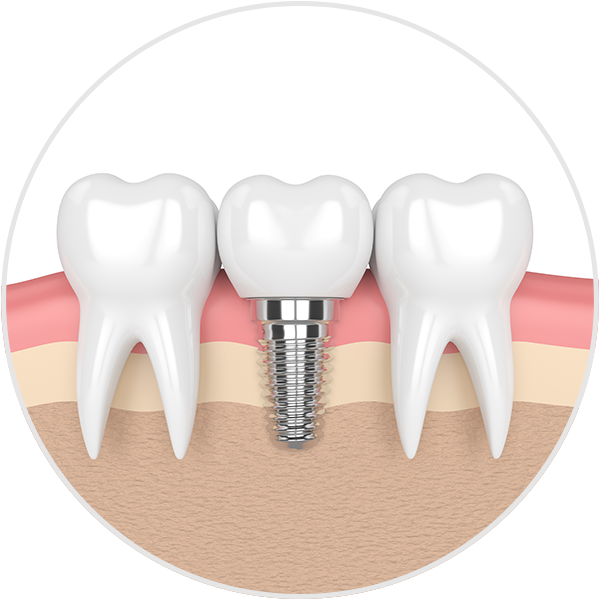
Los implantes dentales son una solución moderna para reemplazar los dientes perdidos, Diseñado para imitar la estructura y función de los dientes naturales.. Un diente natural consta de dos partes principales.: la corona (la parte visible utilizada para masticar) y la raíz (que ancla el diente de forma segura en la mandíbula). Los implantes dentales replican esta estructura con un poste de titanio que actúa como raíz y una corona como diente de reemplazo..
Cuando se pierde un diente, tanto la raíz como la corona han desaparecido. para reemplazarlo, un implante dental se inserta quirúrgicamente en la mandíbula, donde se integra con el hueso con el tiempo. Después de este período de integración, un puesto de apoyo (contrafuerte) se coloca sobre el implante, y se coloca una nueva corona en el pilar. En muchos casos, Se puede colocar un diente de reemplazo temporal inmediatamente después de la colocación del implante.. Para pacientes a los que les faltan todos los dientes, Hay varias opciones de tratamiento disponibles para respaldar los dientes de reemplazo..
Ventajas de los implantes dentales
1. Comodidad y función mejoradas: Los implantes dentales están diseñados para sentirse y funcionar como dientes naturales., ofreciendo un ajuste estable y cómodo.
2. Preservación de la mandíbula: A diferencia de otras opciones de reemplazo de dientes, Los implantes ayudan a preservar la mandíbula estimulando el crecimiento óseo., que previene la pérdida ósea que normalmente ocurre después de la pérdida de dientes.
3. Solución duradera: Los implantes pueden durar toda la vida con el cuidado adecuado, a diferencia de puentes o dentaduras postizas, que puede necesitar ser reemplazado o ajustado periódicamente.
4. Sin impacto en los dientes adyacentes: Los implantes no requieren alteración de los dientes adyacentes., preservando su estructura natural.
5. Beneficios estéticos y funcionales: Los implantes proporcionan una sonrisa de aspecto natural y restauran las funciones normales de masticación y habla..
Ready to have the smile you've always wanted? Póngase en contacto con nuestra oficina hoy para programar una cita!
Avances Quirúrgicos en Implantes Dentales
1. Implantes de una sola etapa: Dr. Grenier utiliza la última tecnología para colocar implantes de una sola etapa, que no requieren un segundo procedimiento para descubrir. Estos implantes suelen requerir unas seis semanas de curación antes de colocar dientes artificiales..
2. Colocación inmediata: En algunos casos, Los implantes se pueden colocar al mismo tiempo que la extracción del diente., Reducir el número de procedimientos necesarios..
3. Enfoque de equipo: La colocación de implantes dentales implica la colaboración entre un periodoncista y un dentista restaurador.. Dr. Grenier realiza la cirugía de implante, extractions, e injerto óseo si es necesario. El dentista restaurador adapta y fabrica la prótesis permanente y las prótesis temporales necesarias..
Opciones de reemplazo de dientes
Puede seleccionar entre varias opciones diferentes para reemplazar los dientes perdidos, desde soluciones temporales hasta soluciones duraderas..
Un buen candidato es cualquiera. falta uno o más dientes, o que no está contento con su dentadura postiza. La edad no es un factor.. sin embargo, de fumar, enfermedades como la diabetes, y radioterapia en la zona, Se ha demostrado que reduce la tasa de éxito de la colocación de implantes.. Se tomarán radiografías de su mandíbula para evaluar si se adaptarán a los implantes.. También es posible que se requieran radiografías detalladas para determinar si se necesitan otras pruebas o procedimientos para colocar los implantes correctamente..
Puente fijo
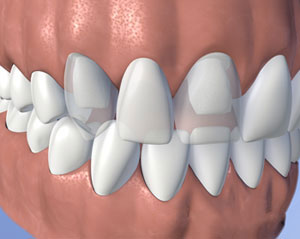
Un puente fijo es un conjunto conectado de dientes de reemplazo.. Para apoyo, se cementa en su posición encima de los dientes adyacentes al espacio vacío. La capa exterior protectora de estos dientes generalmente se retira o se pule antes de colocar el puente..
Aleta
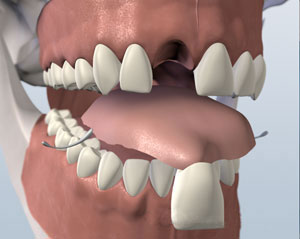
un frágil, La solución temporal y económica es un diente de plástico removible con un retenedor de plástico., a menudo llamado un “aleta”.
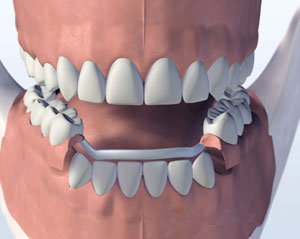
Metal parcial
Una opción menos frágil es una removable partial denture fundido en metal y plástico. Se sujeta mediante clips de alambre.. UNA removable partial denture Se puede retirar y reinsertar cuando lo requiera el paciente..
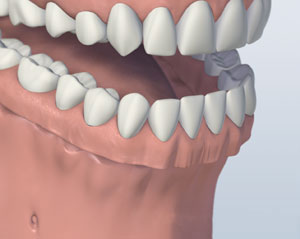
Denture
La solución más común, para las personas a las que les faltan todos los dientes en una o ambas mandíbulas se utilizan dentaduras postizas completas.. Algunas personas se adaptan bien a las dentaduras postizas.. Otros los encuentran incómodos, incluso intolerable, debido a diferencias en el tamaño y la forma de la mandíbula.
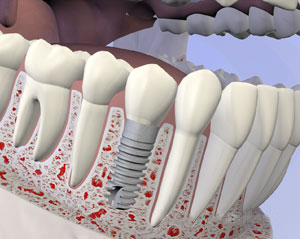
Implantes dentales
Implantes dentales son la solución más cómoda y permanente. Forman una base sólida para los dientes y mantienen la mandíbula sana y fuerte.. Los implantes sostienen dientes de reemplazo individuales o aseguran dentaduras postizas especializadas en su lugar. A diferencia de los puentes, ningún diente sano está dañado. A diferencia de la mayoría de los puentes, Los implantes pueden durar toda la vida.. Los dientes de reemplazo implantosoportados pueden ser atractivos, estable, y cómodo para casi cualquier paciente.
Ready to have the smile you've always wanted? Póngase en contacto con nuestra oficina hoy para programar una cita!
Descripción general de la colocación de implantes
The Surgical Procedure
1. The Surgical Procedure: La colocación del implante dura aproximadamente 30 a 60 minutos para un solo implante y 2 a 3 hours for multiple implants. El procedimiento implica anestesia local., and in some cases, intravenous sedation or nitrous oxide.
2. Pasos del procedimiento: El cirujano hace una pequeña incisión en la encía., crea espacio en el hueso, e inserta el implante de titanio. El implante puede dejarse expuesto o cubierto con tejido de encía durante la fase de curación inicial..
3. Sanación y Restauración: El tiempo de curación varía, con visitas de seguimiento para colocar el pilar y la corona definitiva. En algunos casos, la restauración inmediata es posible.
4. Número de implantes: La cantidad de implantes necesarios depende de la cantidad de dientes faltantes y del plan de tratamiento específico.. Se necesita un implante por cada diente que falta, con opciones para múltiples implantes para soportar prótesis más grandes.
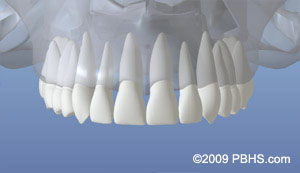
1. Normal
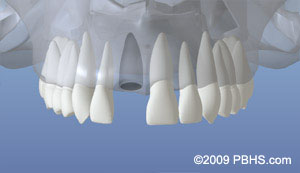
2. Tooth Loss
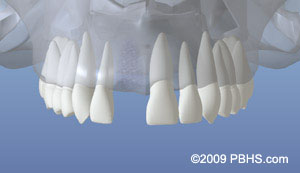
3. Healed Bone
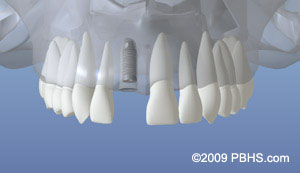
4. Implant Placed
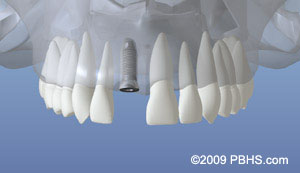
5. Cicatrización
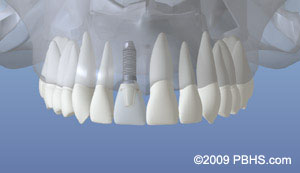
6. Implant Restored
Preguntas frecuentes sobre implantes dentales:
1. ¿Qué opciones están disponibles para los dientes temporales mientras mis implantes sanan?? Hay varias opciones a considerar., y se pueden personalizar según sus necesidades. Si está buscando una solución temporal mientras sus implantes sanan, Puedes optar por dientes temporales removibles o un puente temporal.. Si te faltan todos los dientes, Podemos modificar su dentadura postiza actual o proporcionarle una nueva temporal.. Para una opción no removible, some implants can be placed and “loaded” immediately, lo que significa que se puede colocar un diente temporal o permanente inmediatamente después de colocar el implante.
2. ¿Qué posibles complicaciones pueden surgir después de la cirugía de implantes dentales?? Si bien la mayoría de los pacientes solo experimentan molestias leves o manejables después del procedimiento, es natural preocuparse por la posibilidad de dolor. Se le recetarán analgésicos y antibióticos para facilitar su recuperación.. De vez en cuando, puede ocurrir una infección, requiriendo antibióticos adicionales. In rare cases, Los dientes adyacentes pueden lesionarse durante el procedimiento de implantación., o podría haber entumecimiento temporal o permanente en el labio inferior o el mentón si el nervio está afectado. Tenemos mucho cuidado para evitar esto., pero si sucede, generalmente se resuelve con el tiempo. sin embargo, en algunos casos, la sensación puede permanecer alterada. Si nota entumecimiento o sensaciones inusuales después de la cirugía, es importante informarnos de inmediato para que podamos guiar su atención de manera adecuada.
3. ¿Cuánto duran normalmente los implantes dentales?? Los implantes dentales son una solución a largo plazo, y los estudios demuestran que los implantes tienen una alta tasa de éxito a lo largo de los años. Para pacientes a los que les faltan todos los dientes, investigación a largo plazo (more than 30 año) muestra una tasa de éxito de 80-90%. Para quienes reemplazan uno o varios dientes, la tasa de éxito es aún mayor, over 95%. sin embargo, si un implante no sana adecuadamente o se afloja más adelante, es posible que sea necesario eliminarlo. por suerte, después de que el sitio sane, normalmente podemos colocar otro implante.
4. ¿Cuándo se unen los dientes de reemplazo al implante dental?? Los dientes de reemplazo generalmente se colocan después de que el implante se haya integrado con la mandíbula., un proceso conocido como osteointegración. Dependiendo de su caso individual, Esto puede suceder de inmediato o después de un período de curación.. Colaboraremos con su dentista general para garantizar el mejor momento para colocar los dientes de reemplazo., y su plan de tratamiento se adaptará a sus necesidades únicas.
5. ¿Qué pasos hay que seguir para completar mi tratamiento con implantes dentales?? Los procedimientos de implantes dentales son detallados y requieren precisión.. Su tratamiento comienza con impresiones especializadas o escaneos digitales para crear un modelo de su boca e implantes.. próximo, el dentista realiza registros de "mordida" para evaluar cómo se unen la mandíbula superior e inferior. With this information, pilares personalizados (support posts) están creados para conectar sus dientes de reemplazo a sus implantes. El proceso puede implicar varias citas., con el número y duración dependiendo de su caso específico. For some patients, pueden ser necesarias tan solo tres citas, mientras que otros pueden requerir hasta cinco. Estas citas dan tiempo para el trabajo de laboratorio., ajustes, y crear una restauración final que se sienta natural y se ajuste cómodamente.
6. ¿Cómo cuido mis nuevos dientes implantosoportados?? Como los dientes naturales, Es importante limpiar periódicamente las restauraciones implantosoportadas con un cepillo de dientes., seda floja, y cualquier ayuda de limpieza adicional que recomiende su dentista. Los chequeos dentales regulares también ayudarán a mantener sus implantes.. Con el tiempo, Es posible que piezas como clips y tornillos necesiten mantenimiento o reemplazo., pero con el cuidado adecuado, Tus nuevos dientes deberían durar muchos años..
7. ¿Un médico se encargará de todo el proceso de implante dental?? Typically, a dental surgeon (cualquiera un periodoncista o cirujano oral) colocará los implantes, mientras que su dentista general se encargará de los dientes de reemplazo temporales y permanentes.. Ambos especialistas trabajan juntos durante todo el tratamiento para garantizar el mejor resultado posible para usted..
8. ¿Cuál es el costo del tratamiento con implantes dentales?? El Costo de implantes dentales puede variar, y le proporcionaremos un presupuesto después de evaluar sus necesidades específicas. Los cargos iniciales pueden incluir trabajo de diagnóstico., como modelos de estudio, Rayos X, y una plantilla quirúrgica. Los costos adicionales cubrirán el pilar., corona, o dentaduras postizas que se colocarán sobre el implante, así como cualquier reemplazo temporal. Si hay varios especialistas involucrados, Habrá cargos separados por sus servicios.. Trabajaremos con usted para comprender su cobertura de seguro u otras opciones de pago para ayudarlo a administrar sus costos.. Tenga en cuenta que algunos planes de seguro pueden tener cobertura limitada para el tratamiento con implantes..

